
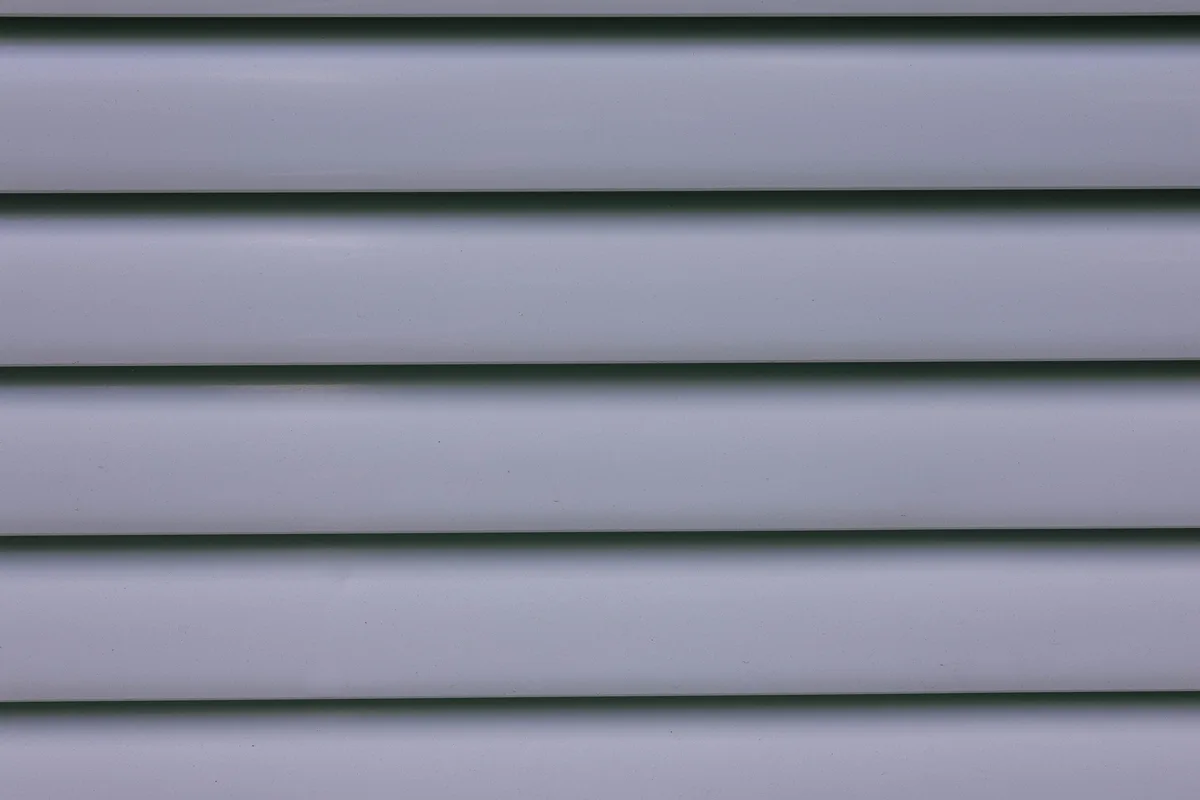
Insulated Vinyl Siding in Mansfield, OH
Insulated vinyl siding in Mansfield, OH: foam-backed panels that stiffen walls, flatten lines and add R-value..
Insulated siding bonds a shaped foam backer to the back of the vinyl panel, so the panel arrives at the wall already supported along its full length. That support changes three things you can see and feel: the wall looks flatter because the panel cannot dip between studs, it feels more solid to the hand and quieter in wind, and it shrugs off the kind of glancing impacts, ladder bumps and stray baseballs, that dent or crack hollow-backed vinyl.
The foam also adds insulation value, typically around R-2 to R-3 depending on the product, and it fills the shallow space behind the panel where outside air used to wash the sheathing. On older Mansfield homes with 2x4 walls and thin cavity insulation, that layer makes a real difference to how a north wall feels in January. It is not a substitute for cavity insulation, and an honest professional will frame it that way, but it is a genuine improvement layered into a job you are already doing.
The trade-offs are price and detail work. Insulated panels cost more per square, and because the panel is thicker, window and door trim needs deeper J-channel and sometimes built-out trim to sit right. On a home with deep-set windows that detail is easy; on a home with shallow frames it takes planning. The visit includes a look at exactly those spots so the finished wall reads clean.
Mansfield walls take the full Ohio cycle: lake-effect snow, freeze and thaw, spring storms and humid summers. Work on insulated vinyl siding here has to be planned for panels that move with the temperature and flashing that sheds water in every season, and the professional who visits will talk through how your specific wall handles each one.
Homes That Gain Most From Insulated Panels
- Walls built before modern insulation codes, with thin cavities
- Existing siding shows wavy lines between the studs
- Rooms on north and west walls feel cold in winter
- Street or rail noise carries through the walls
- Hollow-backed panels have cracked from impacts before
How Insulated Installation Differs
The sequence matches a standard installation, with two additions: trim openings are measured for the thicker panel before ordering, and corners and channels are the insulated system's own deeper profiles. Panels are still hung loose to move. Most Mansfield homes take about a day longer than a standard job because of the trim detail work.
- Measure the openings. Window and door depths are checked against the thicker panel first.
- Wrap and flash. The wall gets the same new wrap and flashing as any full job.
- Set deep trim. Corner posts and channels matched to the insulated profile go on.
- Hang the backed panels. Foam-supported courses go up loose, level and fully supported.
- Check the lines. Long walls are sighted from the street for flatness before sign-off.
On the visit, the professional measures every run the insulated vinyl siding touches, checks the wrap and sheathing at the corners, and looks at how the existing trim, soffit and fascia are holding up. You hear what is sound, what is not, and what can wait, before any material is ordered.
The written scope that follows lists the panel profile and colour, the wrap and flashing plan, the repair work under the cladding, and the price. If part of the wall only needs repair, the scope says so. Nothing is padded into a full replacement to make the ticket bigger.
What Insulated Siding Costs in Mansfield
Expect insulated siding to price noticeably above standard vinyl per square foot, between the panel itself and the deeper trim package. The honest comparison is against the life of the wall: fewer impact repairs, a flatter look that holds, and a modest energy gain every winter. The written scope prices both standard and insulated options on the same measurement so you can compare them line by line.
Caring for Insulated Siding
Care is the same gentle wash once a year. Because the panel is foam-supported, avoid leaning ladders directly against a course without a standoff, and keep grill heat well away from the wall, since the foam behind the panel holds heat longer than a hollow panel does.
Questions About Insulated Vinyl Siding
How much insulation does insulated siding really add?
Most products add about R-2 to R-3 at the wall, and they reduce the air washing that used to happen behind hollow panels. On an older Mansfield home that is a noticeable comfort gain on cold walls, though it works with your cavity insulation rather than replacing it.
Does insulated siding look different from regular vinyl?
It reads flatter and straighter, especially on long walls and in raking light, and the profiles tend to be wider with deeper shadow lines. From the street most people simply read it as a well-kept house; the difference shows most at an angle, where hollow panels wave and backed panels do not.
Is insulated siding worth it on a newer home?
On a newer home with full cavity insulation, the energy gain is smaller and the decision rests on flatness, impact resistance and noise. The professional will tell you plainly when standard panels are the smarter spend for your walls.
Talk to a Local Siding Professional
One call reaches a local siding professional directly about insulated vinyl siding on your home. The visit starts with measurement, not a sales pitch.
Questions about insulated vinyl siding on your own house are easier to answer at the wall than over a website. One call reaches a local professional directly, and the visit starts with measurement, not a sales pitch. For the insulation side of the wall assembly, the U.S. Department of Energy insulation guidance explains how wall insulation and air sealing work together.